
 {# --- Start of custom added scripts by jsanders - 7-9-2024 - disable mute with autoplay ---- #}
{# ------ END ------ #}
{# --- Start of custom added scripts by jsanders - 7-9-2024 - disable mute with autoplay ---- #}
{# ------ END ------ #}Recover faster from water damage with
Ready 2 Respond
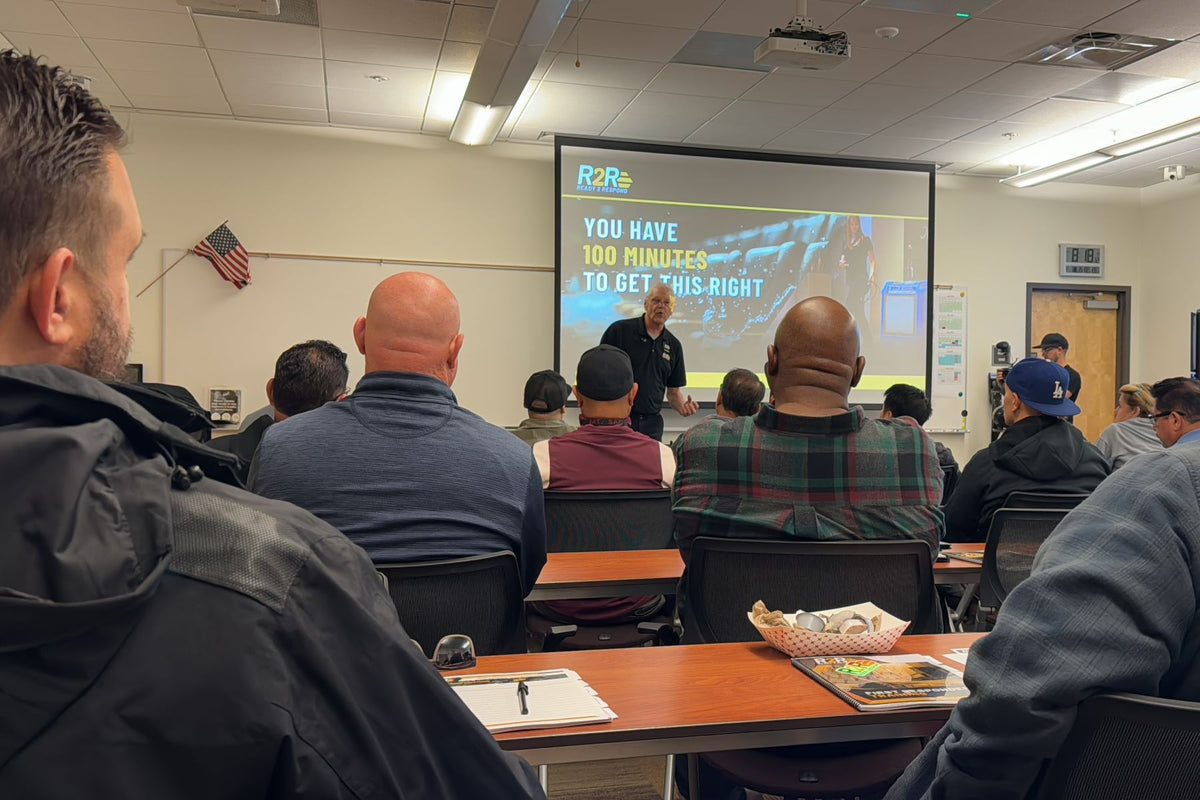
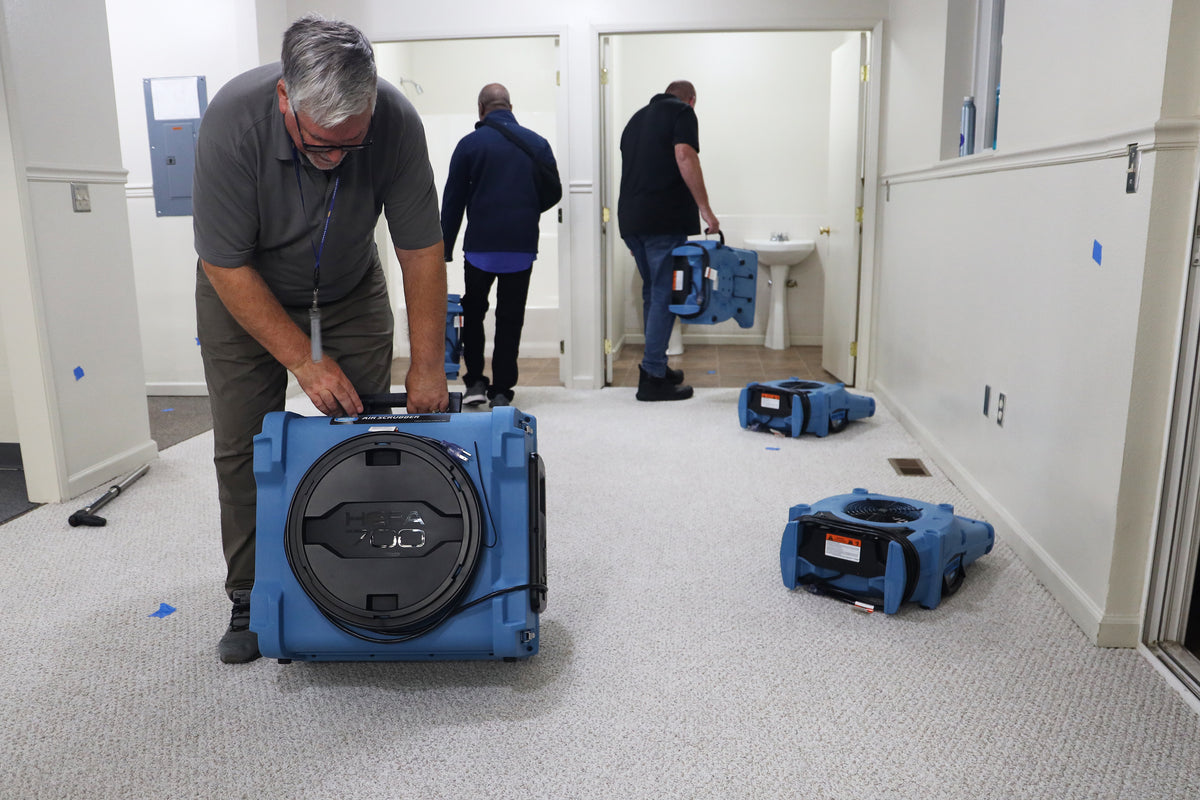
The Ready 2 Respond (R2R) program equips facility professionals with critical training and tools to effectively manage clean water damage. Our comprehensive program focuses on proactive preparedness, ensuring teams are well-trained to mitigate risks, minimize downtime and restore operations swiftly and safely.
With ongoing support and customized training, R2R empowers facility managers with the skills and knowledge needed to handle water-related emergencies efficiently, safeguarding property, occupant health and business continuity.
The R2R program will transform your facilities’ preparedness and confidence when inevitable leaks and floods arise. While safety is a top priority, the R2R program significantly reduces costs associated with water damage (by 40% or more) and can cut downtime in half. These advantages reduce the impact of water damage on facilities, providing peace of mind to those responsible for its well-being.
{# --- Start of custom added scripts by jsanders - 7-9-2024 - disable mute with autoplay ---- #}
{# ------ END ------ #}Latest Insights
Fact vs Myth: Equipment Maintenance
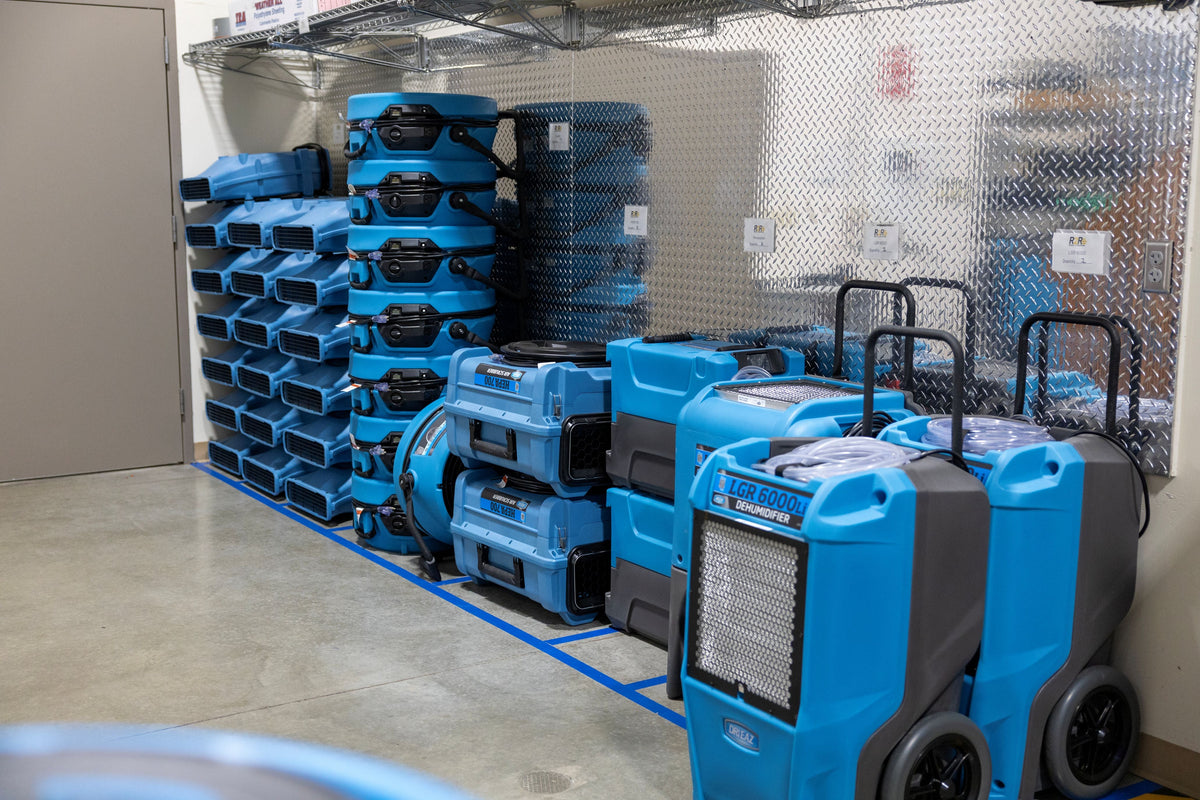
Owning water response equipment isn’t the same as being ready. Learn 5 myths facilities teams believe about equipment readiness before the next water event.
Case Study: How Morgan State University Builds First-Hour Readiness
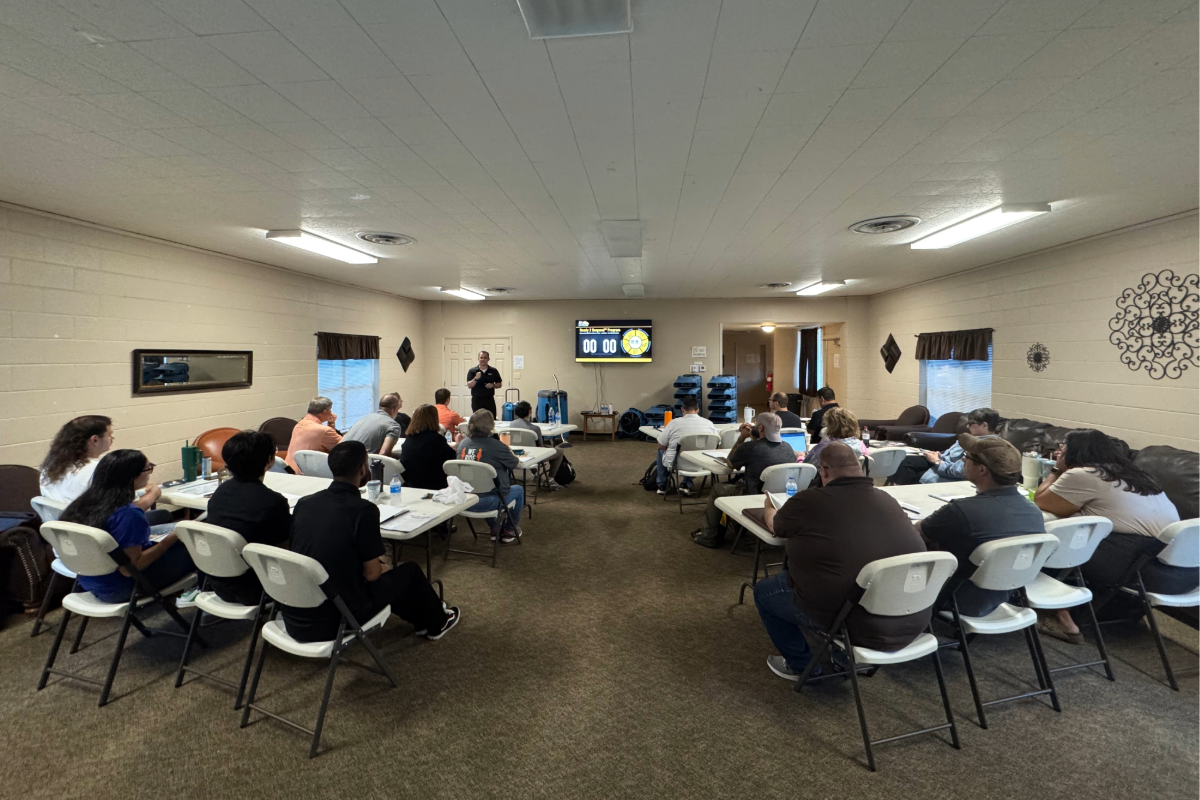
The scale of the event meant Morgan State would have needed outside restoration support regardless, even with the equipment and training it would later acquire. But he experience raised an important question: what could the university have done in those critical early stages to limit the impact?

Fact vs. Myth: Odor Control Is More Than Masking
A musty smell days after a leak isn't just an inconvenience — it's information. Here are 5 common myths about odor in water damage response, and what your nose can (and can't) tell you about whether a space is really dry.